By ETC of PWD Trustee: Brenda Addison
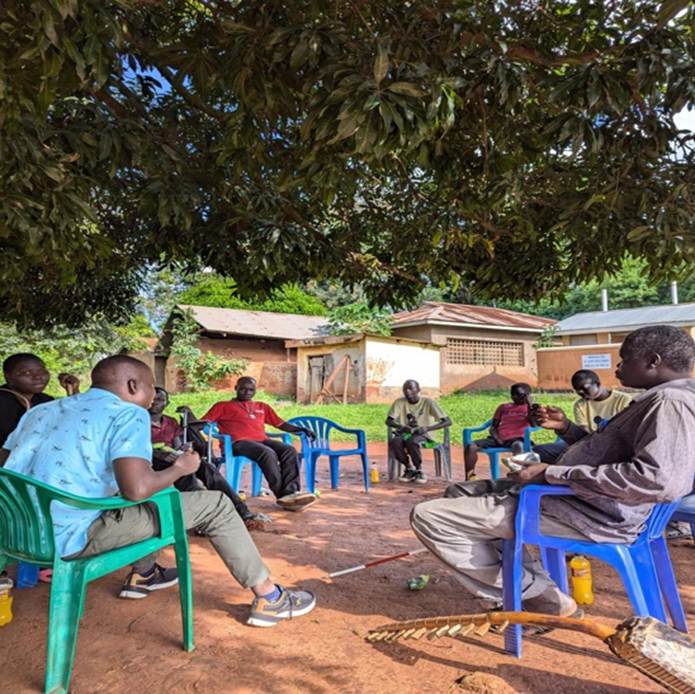
There is nothing better than the shade of a full-sized mango tree! It is great for parking your car under to keep it cool, or you can sit on your motorbike and chat to friends who are leaning up against the tree’s hefty trunk. The best use, I think, for the mango tree’s dense shade is to use it as an outdoor classroom or a meeting space – bring a plastic chair, sit in a circle and learn or discuss or plan. It’s the coolest place and frequently a fresh breeze will pass by.
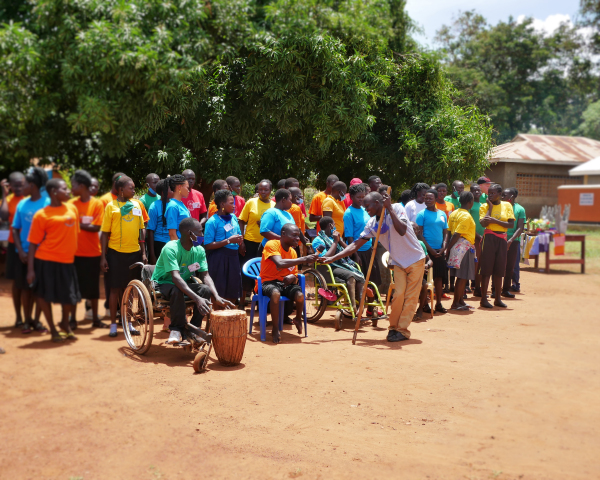
As the winter lingers on here in Europe I am missing the dry season in Uganda and I am missing my mango tree at Gulu Disabled Persons Union (GDPU). This is the time of year when we usually visit, but this year we have missed that opportunity so we stay at home and work on our fundraising tasks. My thoughts take me indoors, to the actual classrooms at GDPU, to the meeting rooms and community spaces that we are working to support at the Centre. They have become run-down and no mainstream funding is forthcoming to pay for a renovation.
Now is the time to try to put this right because now is an exciting time in terms of the current development of GDPU as an organization. It is important to have better premises in which to work and build a more sustainable future. Let’s consider three reasons why:
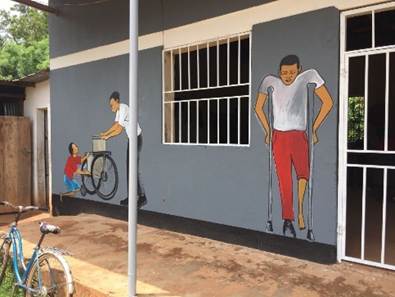
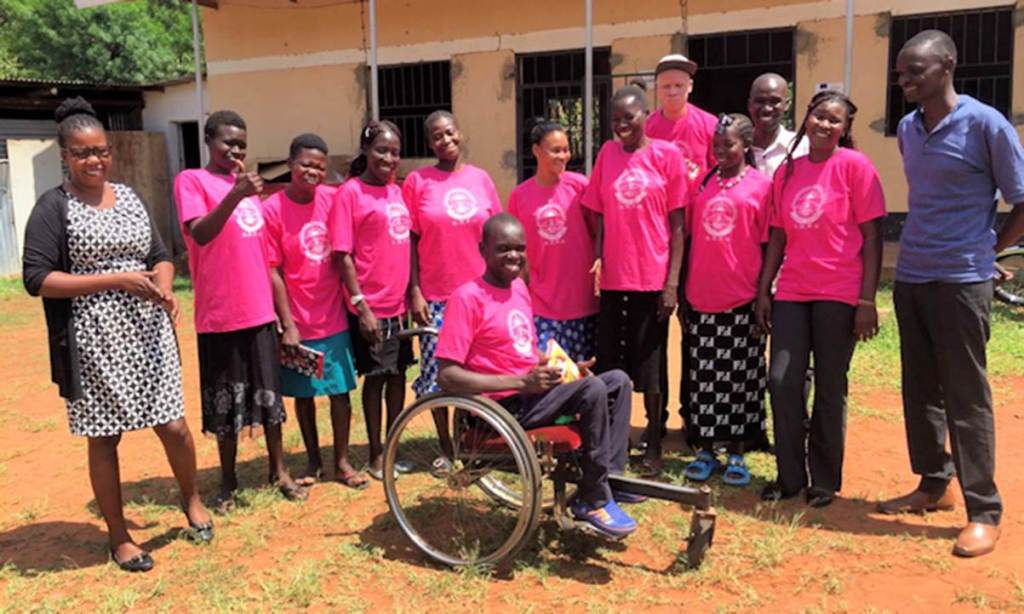
First, a keystone of the work of GDPU is a skills training programme for young adults with disabilities. Our ETC project, (Vplus 2021 – 23) jointly funded by UK AID, was a model of how to integrate skills training with business support and personal development. Most trainees went on to set up their own small businesses, with others finding employment, and are now contributing to their family income.
The skills training programme has continued but on a smaller scale and has become more self-financing, attracting fee-paying parents, as well as project funding from locally-based NGOs.
We would like parents and prospective donors who visit GDPU to be impressed by its attractive premises, knowing that this reflects the quality of the training on offer.
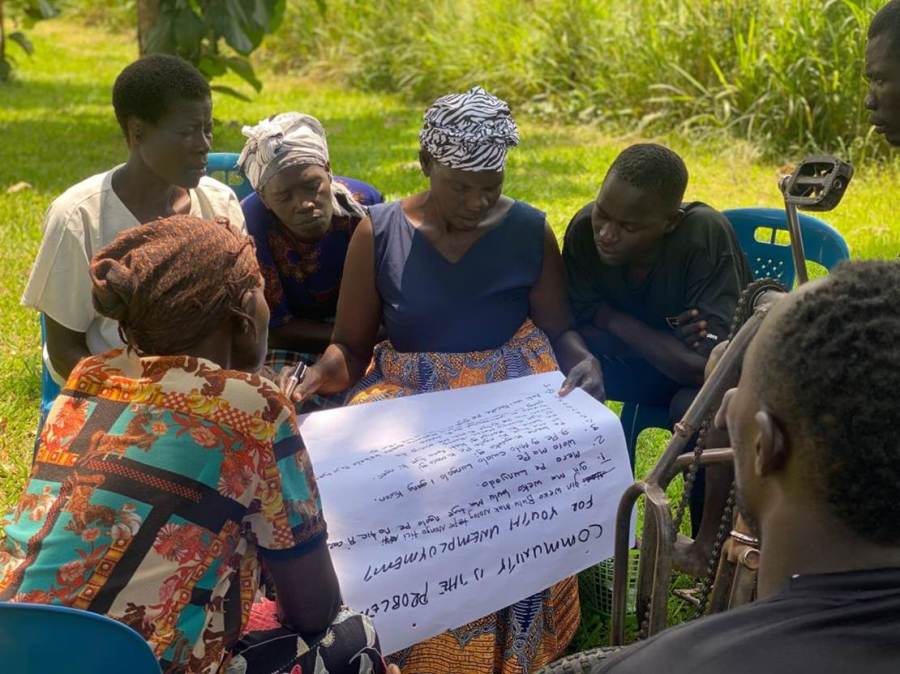
Secondly, the role that GDPU plays in providing spaces for community-based activities is an important growth area for which the Board of Trustees of GDPU will require extra capacity. The organization is planning to extend its reach across the Sub-Region, using its advantageous position to host more meetings and events in Gulu city, making space available for disability activists and for consultation with disabled communities.
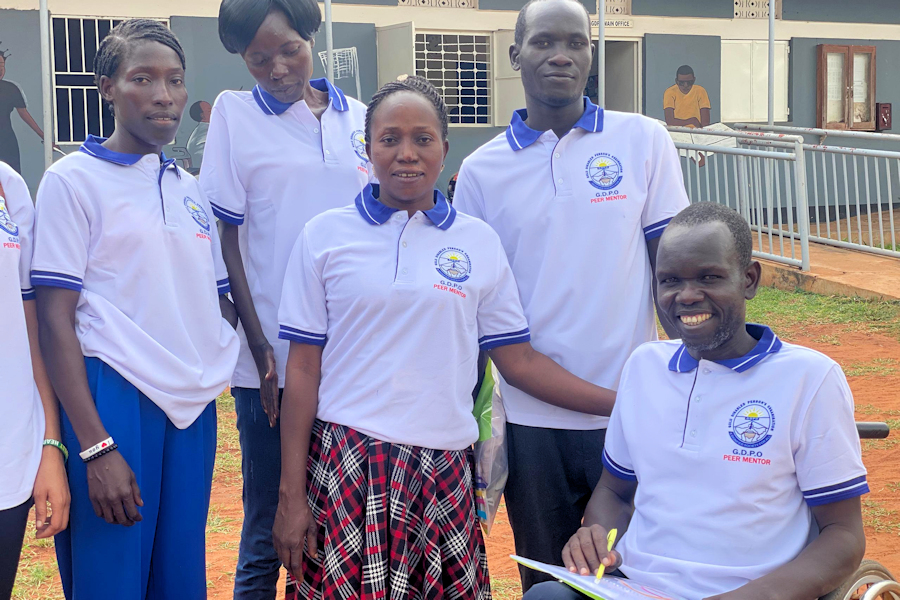
In addition, our current ETC project (VPEP) funds a team of Peer Mentors who work across the Sub-Region providing business development and employment support for ex-trainees, and engaging in community advocacy for people with disabilities. Their work often brings them into Gulu for meetings, training sessions and district-level events.
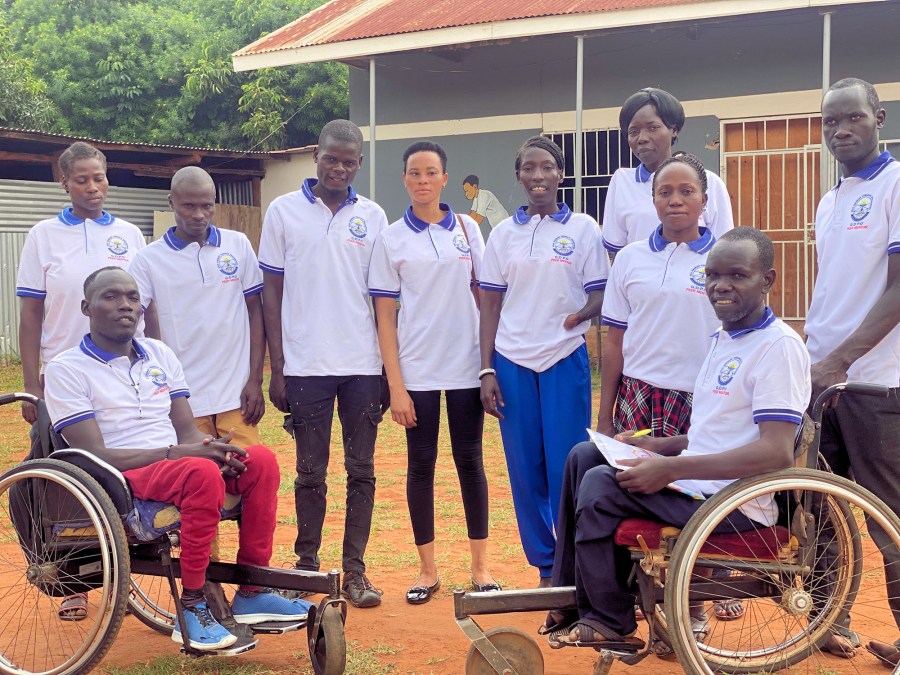
Meeting spaces, large and small, are needed for these purposes, suitably furnished and equipped. There could even be an income generating element to this in the future.
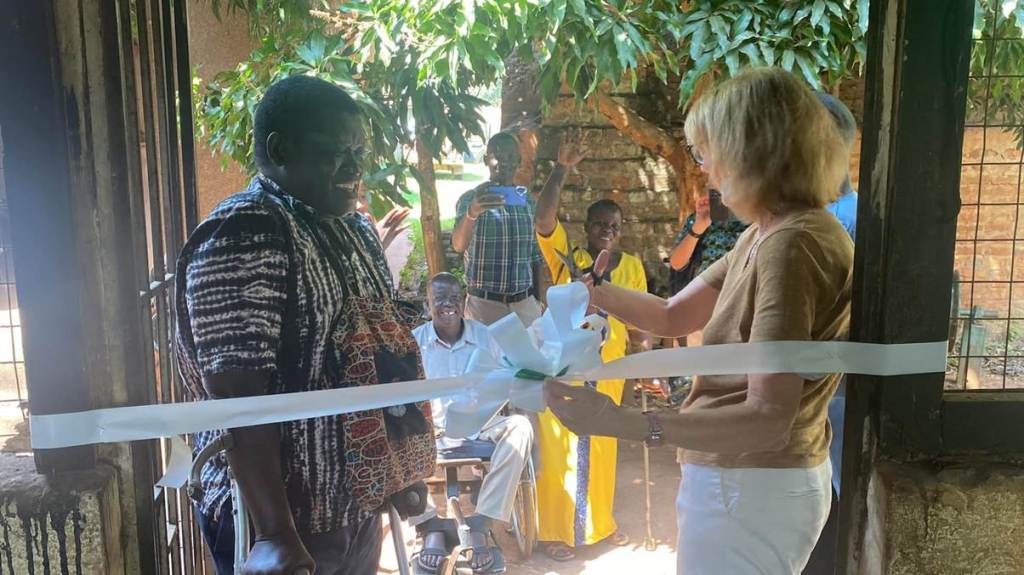
Thirdly, the road towards financial independence is being built by some new and exciting initiatives at GDPU which have income generation at their heart. One example is a Wheelchair Workshop which I was able to officially inaugurate when we visited last year. The workshop is repairing, redesigning and actually building prototypes of newly designed wheelchairs. It is already taking orders for its work, but it needs space to meet customers and promote its services. This workshop will be collaborating with the skills training programme as trainees begin to feed into its productive capacity.
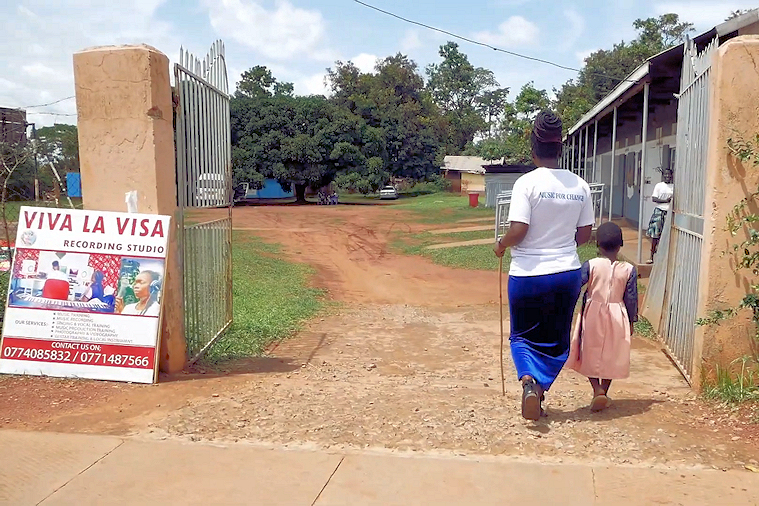
Similarly, UK-based Viva La Visa, the entertainment visa company, sponsors a Music for Change programme: Viva Wer Waa, with state-of-the-art equipment and recording studio. It’s training future musicians and involving current ones to enable young people with disabilities to find a place within the music industry of Uganda where they can advocate for disability rights and dignity. Meeting and training spaces are needed of a quality to match this industry-level initiative.
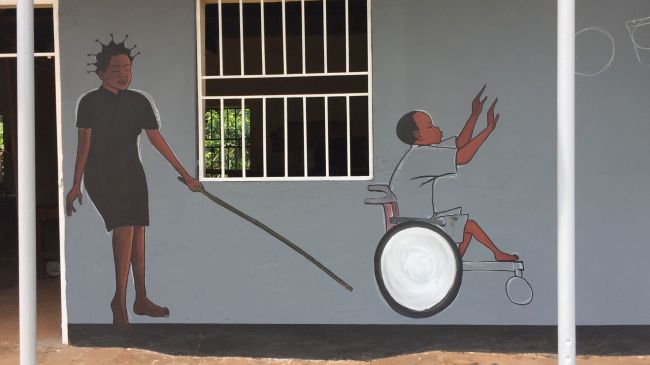
ETC of PWD Funding Drive
This is where our funding drive comes in.
We don’t need to wait until we have reached our target on the Just Giving page (the crowd-funding platform that we are using – link below). We can start now, with the portion we have raised so far. Some people contribute via our website, or, if you would prefer to donate directly to our charity bank account, please ask us via our contact page. I was surprised to discover that Just Giving releases the money collected at regular intervals after the appeal is launched. Consequently, although we still need more to complete, we already have enough money to make a start!
It has been decided that work will begin on one large room that is ripe for development. It is sizable enough to become a flexible, multi-purpose teaching and community space but it needs to be transformed.
The walls need good plaster and paint that will last for years in the tropical climate; the roof and the windows must be suitable for all the days of the year, for when it rains so hard and for when the sun beats down so relentlessly. A functioning method of dividing the space must be included in the re-construction, the floor must be durable and smart, and security considerations must be built into the design.
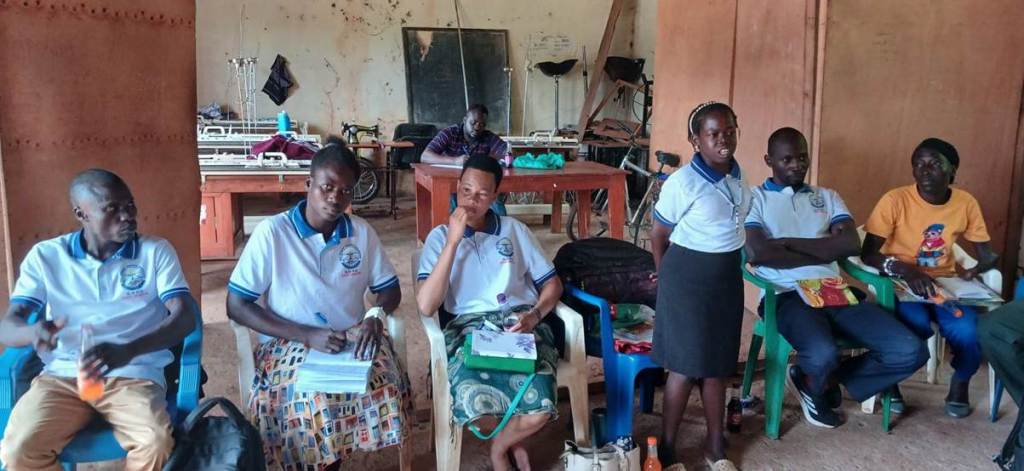
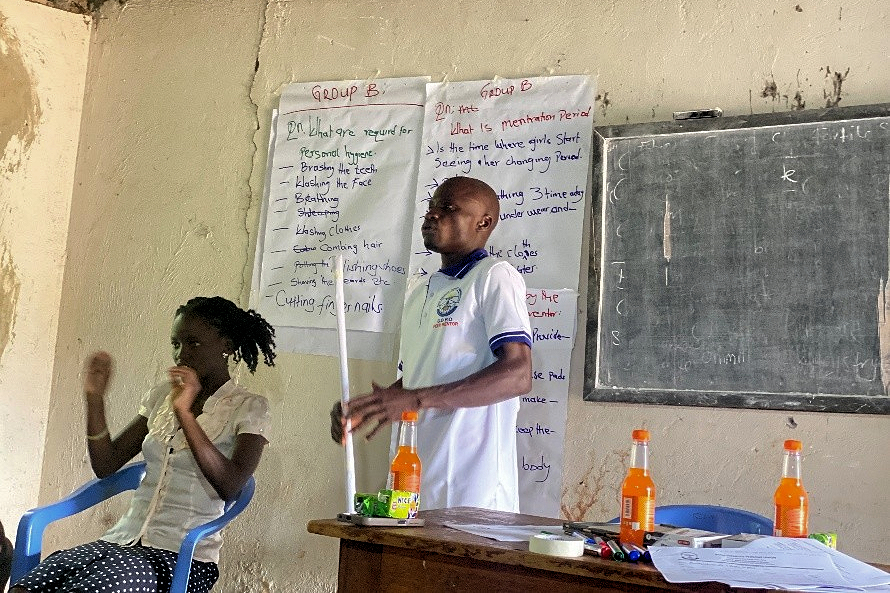
This is the room in question. We want it to be transformed into a space that we will be proud to show to parents and prospective trainees, to the community, to donors and to customers.
The way I imagine it, I would be as happy to sit in that space as I would be sitting under my mango tree.
ETC of PWD.Com Just Giving Charity Appeal
Many thanks for your time
Brenda
ETC of PWD Trustee
Want To Know More?
The ETC of PWD charity manages the Viva Wer Waa programme and the VPep skills training programme. For more please go to our Home page
You can give money for these programmes and our 2025 Funding Appeal via our Donate page, or via our Crowdfunding page
If you would like to know more about Gulu Disabled Persons Union who deliver VPEP and Viva Wer Waa please go to their website or Facebook page.



 ETC of PWD